When alarm systems audio and smoke sneaks under the door, theory ends up being muscular tissue memory. The very first faces people seem often wearing the chief warden hat, and what happens in the following three minutes tends to establish the tone for the whole occurrence. PUAFER006, Lead an Emergency Situation Control Organisation, sits at the heart of that minute. It concentrates on sensible management, sychronisation with emergency situation services, and making decisions that safeguard life and limitation damage. I have actually educated wardens who took care of emptyings in much less than four minutes in complicated multi-tenant sites, and I have explored near-misses where complication added essential mins that no one can afford. The difference rarely boils down to gadgets or laminated plans. It comes down to people educated to lead, and structures that support them.
This short article distills lessons from chief warden training, cross-references with the truths of PUAFER006, and incorporate the structure given by PUAFER005, Operate as Part of an Emergency Situation Control Organisation. If you run fire warden training, manage a center, or act as a chief emergency warden, the objective is straightforward: entrust a more clear sense of what to pierce, what to determine, and just how to lead when the air is thick and the clock runs fast.
The ECO is a group sport, leadership is the playbook
An Emergency situation Control Organisation (ECO) is greater than a roster of names. Succeeded, it is a living system. PUAFER005 builds specific ability for wardens: door moves, area checks, interacting with passengers, assisting people who require assistance, and basic use tools like warden intercom phones. PUAFER006 layers event leadership on top of that, which suggests the chief warden works with the relocating components, sets pace, and adjusts the strategy to the scene.
I encourage facilities to quit thinking about the ECO as a hierarchy for its own sake and start believing in regards to functions that produce decision quality. On the day something goes wrong, it should be apparent that is the chief warden, who leads each flooring or zone, who handles communications, and that serves as deputy ready to action in if the principal is removed or paralyzed. When everyone understands that framework, the chief warden's voice can guide hundreds without shouting.
In useful terms, the chief warden generally develops a control point, confirms the alarm system type and location, initiates examinations, and then triggers a presented reaction. Do not hurry straight to complete evacuation if your procedures and regional codes permit evaluation initially. Many alarm system activations are authentic cautions with benign causes. That stated, the chief fire warden must fit pulling the big bar the minute a threat is verified or believed with reasonable cause. Reluctance is far more hazardous than a false alarm, especially for fires that can flash over in minutes.
The colours on the hats are not decoration
People ask about fire warden hat colour much more than you may expect. That is not vanity. Visual cues matter under stress. In lots of Australian workplaces, wardens wear red safety helmets or caps, and the chief warden hat is white. The chief fire warden hat colour also indicates to attending firefighters whom to come close to on arrival. You do not need helmets for every drill, but for online cases and large exercises the colour-coded headwear makes instructions much easier to comply with. If your workplace uses tabards or vests rather than safety helmets, keep the same discipline regarding colour and markings so team and site visitors can determine the chief warden and flooring wardens at a glance.
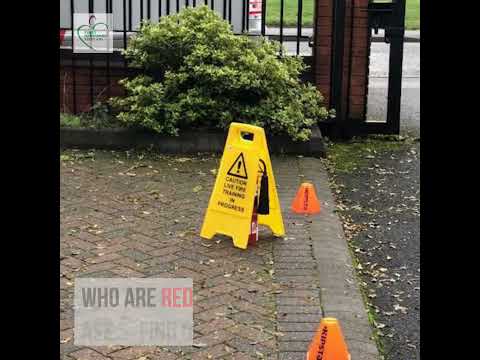
The task prior to the job: pre-incident preparation that really pays off
Chief warden training usually gets reduced to a list. I choose 2 tracks: build the muscular tissue, after that check the judgement.
Start with framework literacy. A chief warden needs greater than a passing knowledge with the emergency situation caution and intercommunication system, evacuation representations, staircase pressurisation if applicable, smoke doors, and any kind of fire indicator panel. Know what "silence", "acknowledge", and "evacuate" features carry out in your building, not simply theoretically. On one site, the chief warden presumed a panel area isolate would silence sounders on an occupant flooring for testing. It subdued a critical detector instead. We repaired that with targeted walkthroughs and annotated photos in the control folder.
Next comes individuals mapping. Fire warden requirements in the workplace consist of understanding owner profiles: wheelchair, hearing, or vision needs, language assistance, and high-risk procedures like hot works or laboratories. Maintain a vibrant checklist of persons who need help, with personal privacy controls. The most practical version makes use of wardens assigned to people as opposed to relying upon ad hoc good intentions.
Training needs to then move beyond class slides. A strong warden course mixes PUAFER005 for wardens and PUAFER006 for primary wardens, with scenario-based workouts. As an example, run a drill where a stairwell is smoke-logged in the scenario, so the chief fire warden have to reroute discharge circulation to the secondary exit. Add a curveball such as a blocked fire door or an elevator that continues servicing despite recall, which can happen with damaged user interfaces. This is where the chief warden responsibilities become real: making the telephone call to divert, interacting changes plainly, and recording the factor afterward.
The initially five mins: a reputable rhythm
In most cases the initial five mins identify the rest. A regimented rhythm helps. Think of it as locate, analyze, choose, and communicate. If the structure is large, delegate assessment jobs immediately.
Here is a small activity sequence I have seen job across healthcare, industrial offices, and education and learning schools. Treat it as a layout to adjust, not scripture.
- Assume control at the Emergency situation Control Centre or determined control point, determine on your own as chief warden, and begin a running log with times and actions. Confirm alarm details at the panel or with structure automation, dispatch the local warden to investigate if safe, and request updates on radio at set intervals. Prepare to escalate: inform emergency situation solutions if needed by the alarm system kind or website policy, and pre-alert flooring wardens to stand by for discharge or shelter-in-place instructions. Decide on activity based upon proof and risk resistance for your tenancy, after that initiate a partial or full evacuation, or a controlled return if a dud is validated and problems are safe. Maintain communications: update owners using PA or voice alarm systems, encourage reacting fire solutions at arrival with a concise brief, and track warden reports to verify all areas are cleared.
That is the initial of 2 listings in this write-up, and it gains its area since repeating builds speed. The rhythm tightens choice tiredness when adrenaline is high.
Communications that punctured noise
Incident leadership lives or dies on clear communication. PUAFER006 stresses organized messages. The voice over the ought to be calm, slow, and straight. In multi-tenant buildings, avoid jargon. Individuals need to recognize what to do and where to go, not technological information. If you claim "evacuate using the east staircases", expect half the building to think twice unless the eastern stairways are plainly noted on every flooring. Take into consideration including primary directions on floors plans near leave doors, or basic calling like "stairways near lifts" and "stairways near kitchen area".
Radios used by wardens require discipline. Brief transmissions, phone call indications, and readbacks prevent errors. In a noisy room you will not listen to captions. Set a standard like "Floor 12 Warden to Principal, smoke visible in printer area, starting sweep, will report all-clear or fire situated within two minutes." Principal reacts with "Replicate Floor 12, two-minute upgrade expected." It seems formal in print, yet on the day it decreases frantic back-and-forth that wastes seconds.
For external control, the chief warden or delegate greets fire teams curbside with a concise brief: alarm origin, detector or lawn sprinkler activations, areas left and validated, any type of missing person records, and recognized threats like gas cylinders or lithium battery storage. Bring the fire indication panel hard copy if available and a map marked with current status. This handover gains trust fund promptly and maintains staffs concentrated on where they can add the most value.
Evacuation style is a choreography problem
A good strategy considers flow price, blockage factors, and human propensities. Individuals attempt to leave the method they got in. If the main entrance hall is obstructed, they waste time unless wayfinding is strong and wardens are placed in advance of the group. Stagger evacuations when possible, particularly in high-rise buildings or health centers, where complete activity at one time can produce crush risks. The chief fire warden duties consist of choosing the best emptying technique for the risk: prompt and complete for fast-moving fires, staged for non-fire events or where sanctuary areas are much safer, or straight evacuation in healthcare settings.
I as soon as enjoyed a drill where everybody channelled to one stairwell since the other was locked at a mezzanine touchdown. The productive lesson was not "unlock Article source the door." It was "test every door on the course, every single time." Door hardware adjustments. Tenants bring furniture also near departures. A single plant screen can narrow a hallway enough to reduce a crowd. Consist of these sign in your routine warden training.
Differences between PUAFER005 and PUAFER006 that matter
It assists to be explicit regarding department of responsibility. Wardens educated under PUAFER005 operate as part of an emergency control organisation. Their brief is to perform guidelines, sweep areas, assist residents, report condition, and utilize regional knowledge. PUAFER006 adds command duties: identifying the first feedback, collaborating wardens, making decisions under uncertainty, liaising with emergency situation solutions, and managing the return to normal.
Where some chief warden courses fail is assuming experience as a floor warden immediately equates to management under stress. It rarely does without technique. Chief warden training need to consist of decision-making under incomplete information, triaging synchronised reports, and acknowledging when to shift from investigation to evacuation.
Human variables: stress and anxiety, group behavior, and the quiet individual in the corner
Real events remind you that panic is rare yet complication prevails. Individuals ice up at their workdesks, specifically if alarm systems are frequent and usually benign. The chief warden requirements consist of countering complacency. Usage voice statements that reflect the gravity of the situation without theatrics. Also an easy "This is not a drill" changes behavior. Assign wardens to move zones purposely, and require physical checks of shower rooms, meeting rooms, and copy rooms. In one workplace emptying I observed, 2 people with noise-canceling earphones resolved the first three minutes. A warden opening the door and making eye contact solved the problem.
Remember the silent individual that needs assistance. Emergency warden training ought to cover how to come close to someone that is reluctant to relocate, whether because of stress and anxiety, wheelchair difficulties, or cultural worries. Practice accompanying down stairs using group methods and accepted devices if your website has evacuation chairs. It is far better to rehearse with empty chairs and hallways than to improvise with a genuine individual and a crowded stairwell.
Documentation that works under pressure
If your emergency situation strategy lives just in a plan folder, it will certainly fail you. Put useful essences where wardens work: laminated quick-reference cards at the warden control phone, a printed checklist in the chief warden go-bag, and an electronic copy obtainable offline. Make sure your maps reflect present fit-out, with fire indication panel areas matching layout. I maintain a habit of writing time-stamped choices on a solitary A4 sheet during events. Later on, this ends up being the backbone of the debrief and any reportable occasion documentation.
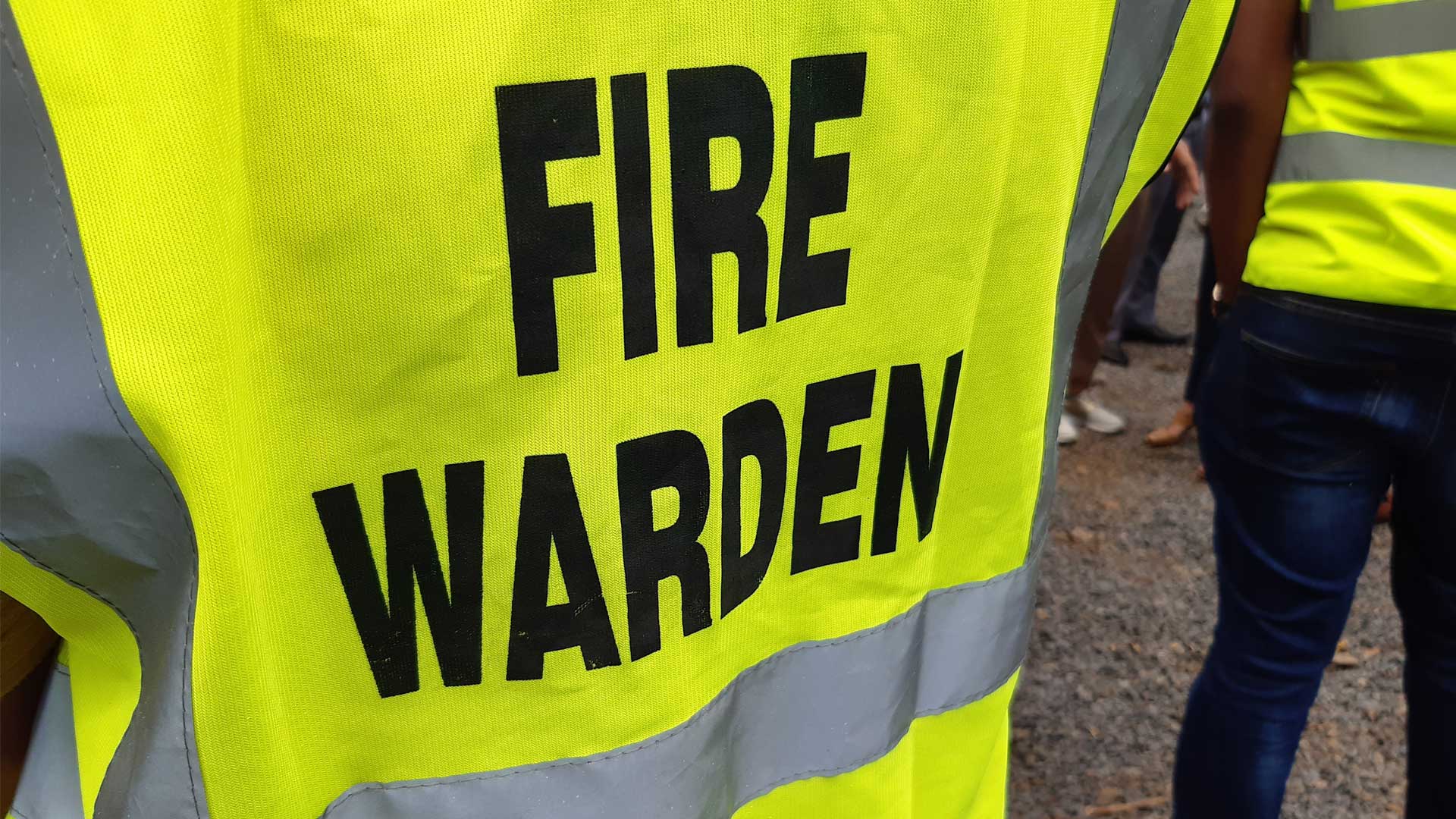
Chief warden responsibilities continue after the sirens discolor. Run a warm debrief within 1 day while memories are fresh. Welcome wardens to share friction points: radios that stopped working, doors that stuck, messages that confused, or muster points that really felt hazardous. Turn those notes right into targeted modifications, not common "improve communication" platitudes.
Working with restraints: older structures, combined occupancies, and change work
Not every work environment appreciates modern-day systems. Older buildings bring quirks: unequal staircase risers, dead areas for radio signals, or fire doors that have been repainted right into area over the years. Mixed-tenant websites complicate the ECO structure. You might have multiple fire warden courses operating with various criteria. In those atmospheres the chief fire warden responsibilities typically consist of diplomacy. Develop a building-wide ECO discussion forum where occupant wardens meet quarterly, share get in touch with checklists, and perform at the very least one building-wide workout. Agree on radio networks and PA message conventions so everyone listens to the same instructions.
Shift job includes an additional layer. If the chief warden only functions days, your graveyard shift might be led by safety and security staff or a replacement with less experience. Dressmaker the chief warden course timetable so each change has a proficient leader. Construct redundancy. Aim for a minimum of two senior wardens per shift that can lead under PUAFER006 guidance.
The usefulness of training: making it stick
A great warden course is component knowledge, part repetition, and part honest review. For emergency warden training and chief fire warden training, I recommend a blended design: short concept components, walk-arounds, and scenario drills spaced over weeks. People maintain better when lessons link to the spaces they relocate via daily. Throughout walk-arounds, explain where conduits run, which doors are smoke doors, and how to get to the roof covering hatch if firemens ask. Show the distinction between the aspirating smoke detection system and place detectors. Make it tactile. Remove the panel cover with a professional existing and talk through what each light means.
For evaluation, usage scenario injects that pressure judgment calls. Trigger an alarm on level 8 while reporting a separate medical emergency situation on level 2. Watch just how the chief warden delegates, and whether they ask for assistance. Debrief gently but firmly. Sensible method today saves chaos on a worse day.
Certification, conformity, and usual missteps
A PUAFER006 course, supplied by a certified service provider, addresses the proficiency of leading an ECO during a facility emergency situation. Match it with PUAFER005 for your more comprehensive warden group. Fire warden training requirements differ by jurisdiction, yet the concepts hold: select wardens to satisfy your building size and complexity, provide first training, and refresh at affordable periods, usually yearly. If nothing considerable adjustments at your site, you can extend refreshers somewhat, but any type of repair, renter change, or system upgrade ought to cause retraining. Too many organisations tick the box as soon as and let it fade.
Common missteps consist of over-reliance on modern technology and under-reliance on individuals. A building with ideal detection and voice alarm systems still requires wardens to move individuals, deal with exemptions, and find the uncommon. Another bad move is making use of wardens' goodwill without management support. If your chief warden responsibilities include developing the muster factor, after that you also need authority to keep it clear of chief warden hat colour vendor shipments or smoking cigarettes areas.
Leadership when the unanticipated happens
Not every incident is a fire. Gas leaks, bomb dangers, hostile burglars, medical emergency situations, and energy failures all call for various playbooks. PUAFER006 prepares leaders to adjust while using the exact same core concepts: collect information, choose a safety activity, move individuals, and coordinate with responders. Throughout a power failing in a mid-rise with a combined occupancy, our chief warden made a decision to keep owners in place on higher floors while engineering confirmed whether emergency situation lighting would certainly hold enough time for a controlled descent. That option prevented chock-full stairs and a rush for dark entrance halls. The moment the engineer reported a battery issue, the plan changed to presented discharges by flooring, using wardens to light touchdowns with torches and protection to handle exits onto a partially lit street. It was untidy, however the series and communication prevented injury.
Leadership likewise means knowing when to claim "quit." During one drill, a floor warden tried to bring a huge individual down the staircases solo. The chief warden halted the initiative and required the emptying chair that had been being in a secured cabinet. That intervention came to be the hint to change the site's method: chairs moved to staircase touchdowns, locks removed, and specific pairings appointed so the appropriate 2 individuals constantly respond together.
The tiny signals that make you credible
People comply with leaders they rely on. Reliability is built in tiny minutes long before an incident. If your chief warden hat colour is white, use it throughout drills without self-consciousness. Examine the PA with a brief politeness message randomly times, so individuals discover the voice and tempo. Publish brief recaps of drills with actual numbers: evacuation time, locations that delayed, and what will certainly transform following. When you ask owners to report dangers, repair them quickly. A propped-open fire door is not a tip. Close it and explain why in human terms: smoke spread, survivability, and the few extra minutes it buys.

Choosing the right training partner
There are several suppliers for a PUAFER006 course and chief warden course. When evaluating, try to find instructors that have actually led in the field, not only taught in classrooms. Ask whether their scenarios mirror your building type. A high-rise, a hospital, and a stockroom discover various lessons. Ensure the service provider can blend PUAFER006 lead an emergency control organisation web content with site-specific exercises. Make sure PUAFER005 course choices are available to develop your broader group. If the training is all slides and no walking, keep looking.
A simple, site-ready readiness checklist
Use this compact list to assess whether your ECO can lead properly. It is the second and final checklist in this article.
- Current ECO roster with deputies for each duty, noticeable call details, and change protection verified. Up-to-date floor plans and fire sign panel area maps, printed and digital, checked against fact within the last quarter. Radios tested weekly, spare batteries handy, and usual telephone call signs used in practice. Documented assisted-evacuation strategy with named pairings, evacuation chairs put near staircases, and wardens educated to make use of them. Drills go for diverse times with post-drill records that drive specific renovations, not generic lessons.
Where PUAFER006 meets culture
The strongest emergency situation programs live in the culture, not simply in binders. Wardens really feel respected, not offered as home window clothing. Owners deal with drills as method, not a break. Administration backs the chief warden's authority and funds the unglamorous repairs. When that society exists, the inquiry "what colour helmet does a chief warden wear?" becomes second to a more powerful one: "Who can I count on to make the best call?"
Whether your site classifies the duty as chief warden, chief fire warden, or chief emergency warden, the essence of PUAFER006 is leadership under stress. Combine it with robust warden training under PUAFER005, maintain honing via reasonable workouts, and treat every drill as a rehearsal for a day you really hope never shows up. If that day comes, the behaviors you construct now will lug individuals to security, and that is the only metric that matters.
Take your leadership in workplace safety to the next level with the nationally recognised PUAFER006 Chief Warden Training. Designed for Chief and Deputy Fire Wardens, this face-to-face 3-hour course teaches critical skills: coordinating evacuations, leading a warden team, making decisions under pressure, and liaising with emergency services. Course cost is generally AUD $130 per person for public sessions. Held in multiple locations including Brisbane CBD (Queen Street), North Hobart, Adelaide, and more across Queensland such as Gold Coast, Sunshine Coast, Toowoomba, Cairns, Ipswich, Logan, Chermside, etc.
If you’ve been appointed as a Chief or Deputy Fire Warden at your workplace, the PUAFER006 – Chief Warden Training is designed to give you the confidence and skills to take charge when it matters most. This nationally accredited course goes beyond the basics of emergency response, teaching you how to coordinate evacuations, lead and direct your warden team, make quick decisions under pressure, and effectively communicate with emergency services. Delivered face-to-face in just 3 hours, the training is practical, engaging, and focused on real-world workplace scenarios. You’ll walk away knowing exactly what to do when an emergency unfolds—and you’ll receive your certificate the same day you complete the course. With training available across Australia—including Brisbane CBD (Queen Street), North Hobart, Adelaide, Gold Coast, Sunshine Coast, Toowoomba, Cairns, Ipswich, Logan, Chermside and more—it’s easy to find a location near you. At just $130 per person, this course is an affordable way to make sure your workplace is compliant with safety requirements while also giving you peace of mind that you can step up and lead when it counts.